Published March 2, 2026 04:05AM
Forget DC, These Are the Best Cherry Blossom Hikes Around the World
Explore global cherry blossom hikes—from Japan to the Himalaya—combining spring blooms, scenic trails, and crowd-free outdoor adventure.
(Photo: Spuyan via Getty Images)
Cherry blossom season doesn’t have to mean jostling through an urban crowd with a selfie stick. Beyond the parks and city promenades, there are trails where the blooms come with mountain air, quiet paths, and real elevation gain.
From Japan’s iconic Mt. Yoshino to Morocco’s Ourika Valley and the wild edges of the Indian Himalaya, these hikes deliver spring at full volume—orchards in bloom, ridgelines lit with color, and long stretches where it’s just you, the trail, and the trees.

1. Mt. Yoshino – Nara, Japan
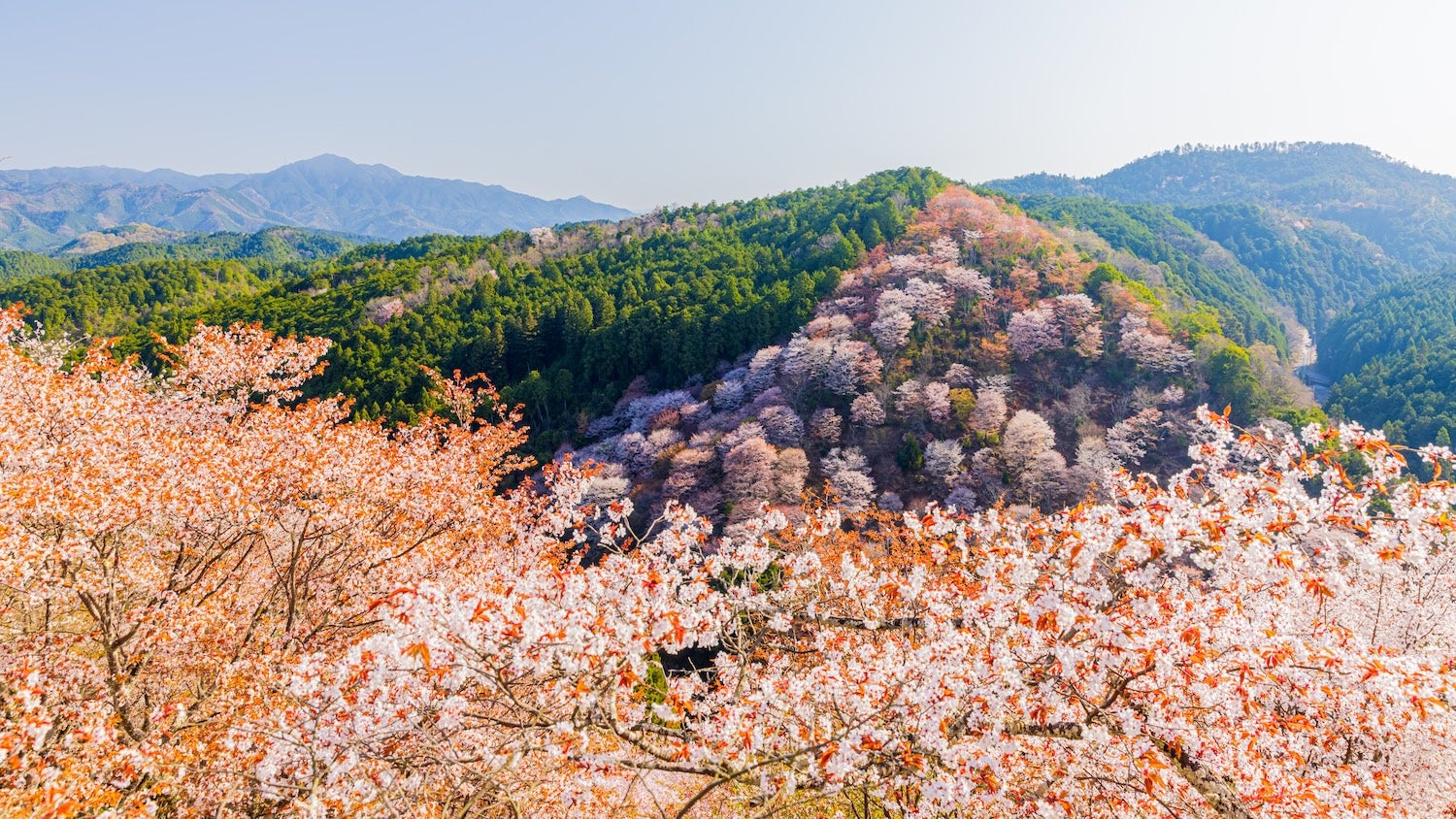
Mt. Yoshino is one of Japan’s most celebrated cherry blossom destinations, and it comes with a rewarding spring hike. More than 30,000 cherry trees bloom in stages along the slopes, creating a natural progression of color from late March into mid-April. Hikers moving uphill can experience multiple bloom zones in a single day, with lower areas peaking earlier and upper areas like Kami and Oku Senbon reaching full bloom later.
ADVERTISEMENT
The route from Yoshino Station passes historic sites such as Kimpusen-ji Temple and leads into forested paths lined with blossoms. The trails range from paved shrine walks to longer forest routes in Oku Senbon, covering about 5 to 10 miles roundtrip with steady elevation gain. The terrain favors fit hikers as it includes many stairs and steep sections.
April weather is cool, wet, and often windy at altitude. A waterproof shell, warm layer, and grippy shoes are essential. Guesthouses and ryokan (Japanese-style inns) in Yoshino town provide accommodation; wild camping is not allowed in the national park.
Kintetsu rail connects Yoshino to Osaka and Nara, and local buses help access trailheads. Hikers arriving early on weekdays can enjoy quieter paths during peak bloom.
When hiking, remember to mind your manners; a town near Mt. Fuji recently canceled its cherry blossom festival due to poorly behaved tourists. Leave only footprints during sakura season.
ADVERTISEMENT
2. Ourika Valley – High Atlas, Morocco
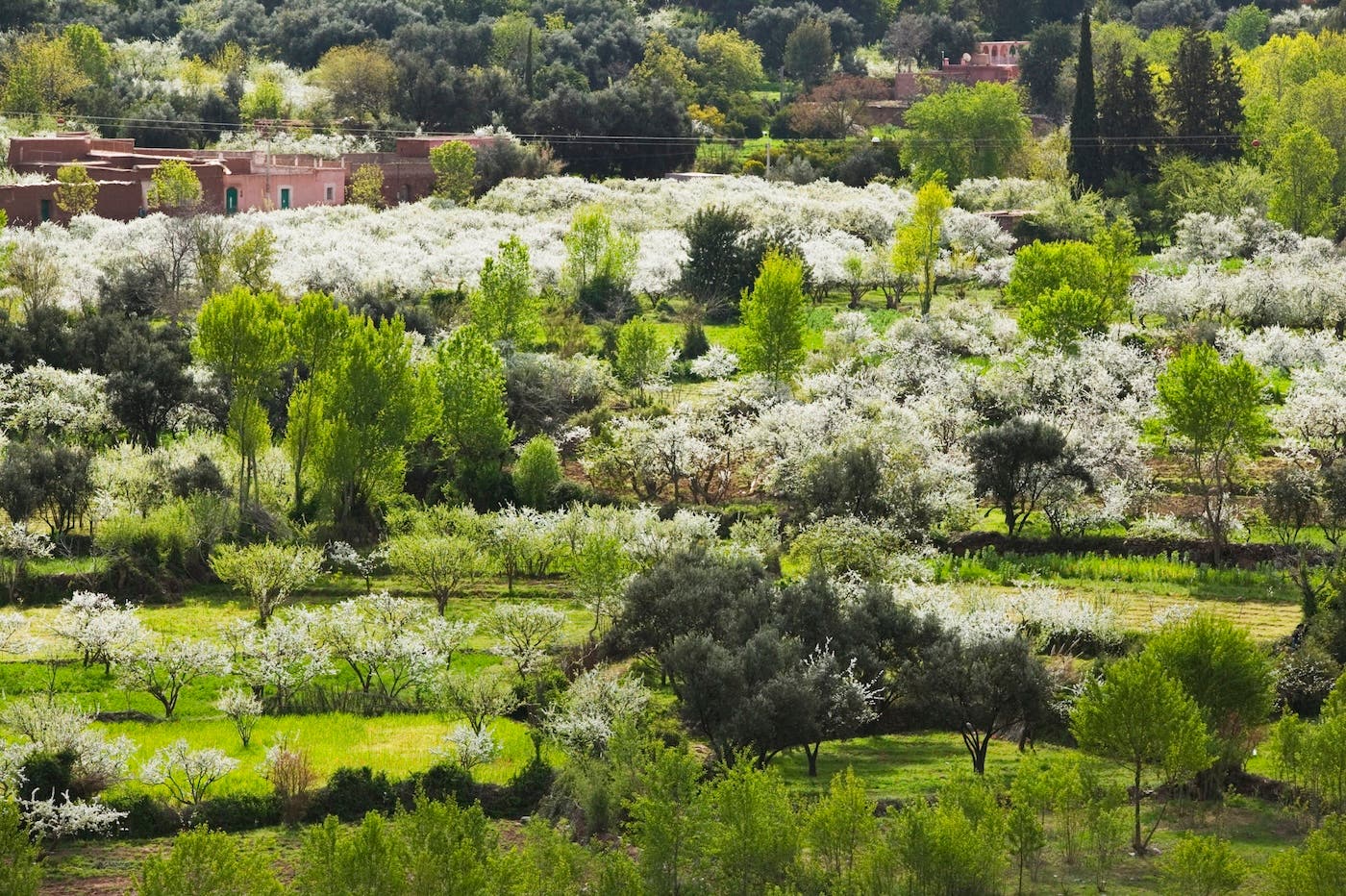
The Ourika Valley, just outside Marrakech, offers a striking blend of blooming orchards, river paths, and mountain trails during spring. Cherry and other fruit trees begin to blossom late February in the lower valley, with higher elevations peaking through March and April depending on local weather. Snow on the peaks and blossoms in the valley create a vivid contrast during the season.
Hikes follow the Ourika River past terraced fields and indigenous Berber villages, with popular routes around Setti Fatma leading to a series of waterfalls. Trails vary from gentle riverside paths to steep, rocky climbs with expansive views over the blooming valley. Dayhikes range from short 1- to 2-mile waterfall walks to longer 5- to 10-mile paths with substantial elevation gain.
ADVERTISEMENT
Spring weather brings wide temperature swings, so a layered system with sun protection and a light rain shell is essential. Grippy hiking shoes or boots are recommended for rocky or wet sections.
Wild camping is generally permitted in rural Morocco, and many trekkers camp near mountain refuges or in open areas while observing Leave No Trace practices. Most hikers set up base in Marrakech and day-trip into the valley, or they stay overnight in Ourika guesthouses for early starts and evening light.
3. Valle del Jerte – Extremadura, Spain
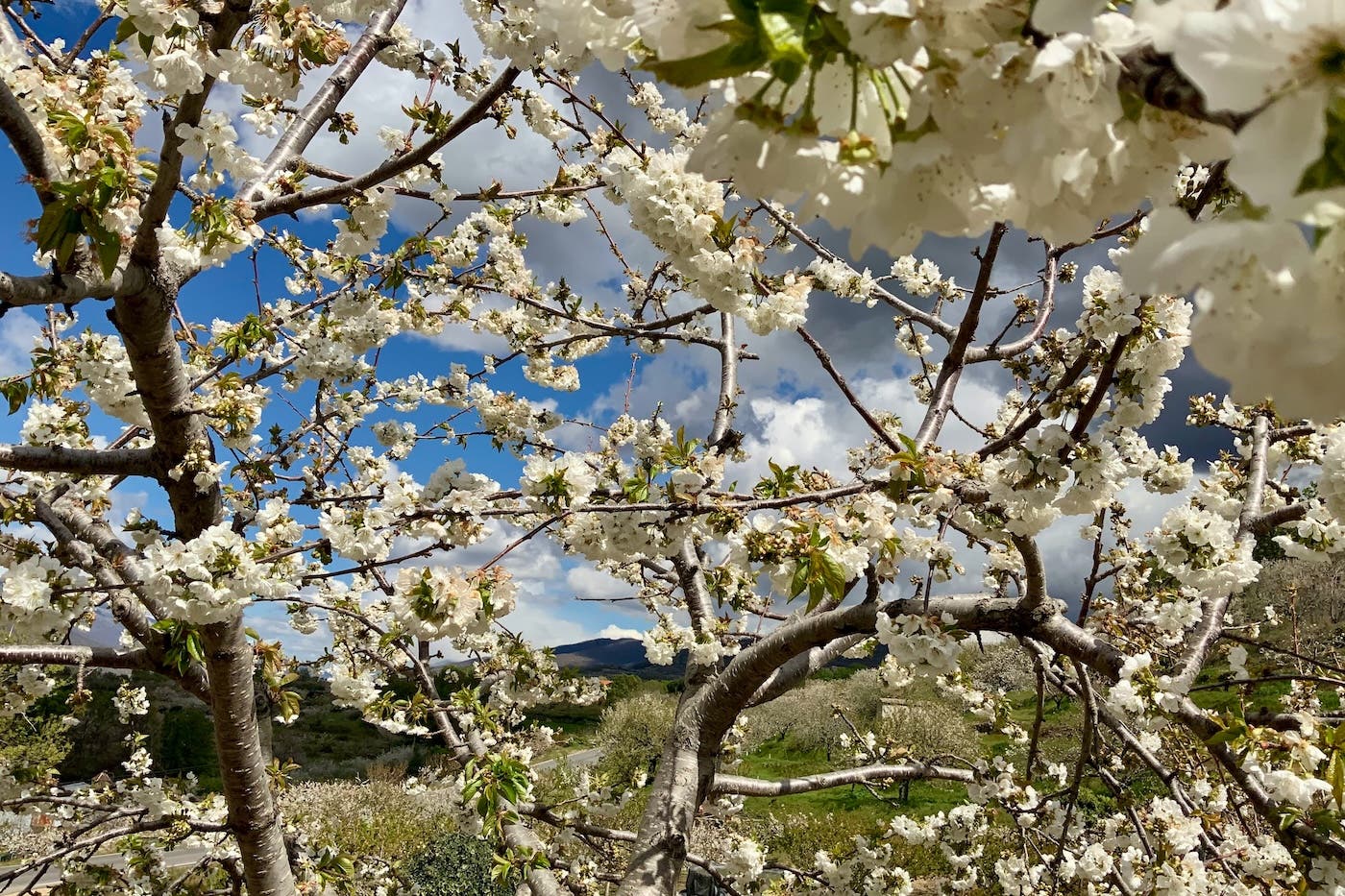
Each spring, Spain’s Valle del Jerte transforms as millions of cherry trees bloom across hillsides, riverbanks, and mountain slopes. The blossom period usually spans about 10 days between mid-March and mid-April, anchored by the annual Fiesta del Cerezo en Flor, which fills local villages with markets, tastings, and cultural events.
Marked trails connect towns like Valdastillas, Piornal, and El Torno, threading through orchards, oak forests, and quiet farmland. Hikes range from easy 3 to 5-mile loops along the valley floor, like the Puente de los Papuos, to 10- to 13-mile ridge routes with steep climbs and wide views over the sea of cherry trees, such as the La Garganta del Infierno. Trails follow dirt tracks, cobbled paths, and narrow lanes, often muddy in wet years.
Rainy spring conditions call for a layered setup, waterproof shell, and sturdy shoes with traction. Trekking poles help with slippery descents, and gaiters or quick-dry pants can make muddy crossings more comfortable. Wild camping is prohibited in much of Spain, so hikers stay in rural guesthouses or authorized campgrounds. Because the best bloom zones vary by elevation, renting a car will provide the most flexibility.
ADVERTISEMENT
4. Alishan Forest Recreation Area – Taiwan
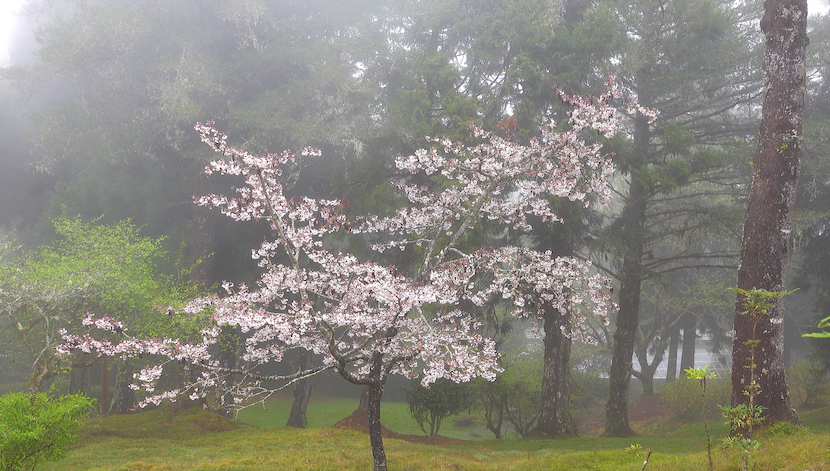
Alishan’s cedar forests and mountain ridges offer some of Taiwan’s most iconic cherry blossom hikes. Sitting at over 8,000 feet, the area blooms later than lowland Taiwan—typically from mid-March through April—with pockets of cherry trees framing trails, temples, and misty viewpoints.
Well-maintained boardwalks weave through towering cypress groves and open clearings, where short walks (.5 mile to 3 miles) link together into longer two- to six-hour circuits. Popular routes include the Zhushan Sunrise Trail—where early risers catch a sea of clouds backlit by cherry blossoms—and forest loops connecting ponds, shrines, and scenic overlooks. The terrain is non-technical but rolling—much of it gravel or forest boardwalks—with cool, thin air at elevation.
Spring brings damp, foggy conditions, so pack sturdy shoes with grip, warm layers, and a rain shell. A headlamp is useful for pre-dawn hikes on the Sunrise Trail. Camping is not permitted within the recreation area, and fires are restricted, so hikers stay in nearby hotels or guesthouses.
ADVERTISEMENT
Take a car or tourist shuttle from the city of Chiayi to Alishan, where most visitors spend one or two nights. Accommodations fill fast during blossom season, so advance booking is essential.
5. Great Himalayan National Park – Himachal Pradesh, India
In spring, the lower valleys of the Great Himalayan National Park (GHNP) burst into color with wild cherry and fruit tree blossoms, especially around the Tirthan Valley and Sainj Valley regions. Blooming begins in late March in Banjaar and Gushaini, peaks in April, and reaches higher elevations into May.
Popular trails include the two-day Shangarh to Pundrik Rishi Lake route and multiday treks like Neuli–Dhel or Gushaini–Rakhundi, which pass through mixed forests, blossoming village edges, and wide meadows. Trails range from short 3-mile walks to 40-plus-mile backcountry treks, climbing from 5,000 to 13,000 feet of elevation, with forest paths, stone steps, and thach (alpine pasture) camps.
ADVERTISEMENT
Spring weather varies sharply—sun, sleet, and cold nights are all possible. Hikers need layered clothing, waterproof shells, and sturdy boots. Permits are required for GHNP entry, and camping is only allowed with certified guides at designated sites. Many visitors set up base camp in Tirthan Valley and explore the ecozone’s lower trails.