Published March 3, 2026 05:05AM
Want to Hike 30 Miles in a Day? Here's How to Do it.
You don't need to be an elite athlete to put down big days on the trail. What do you need? Experience, an early wake-up, and a very good plan.
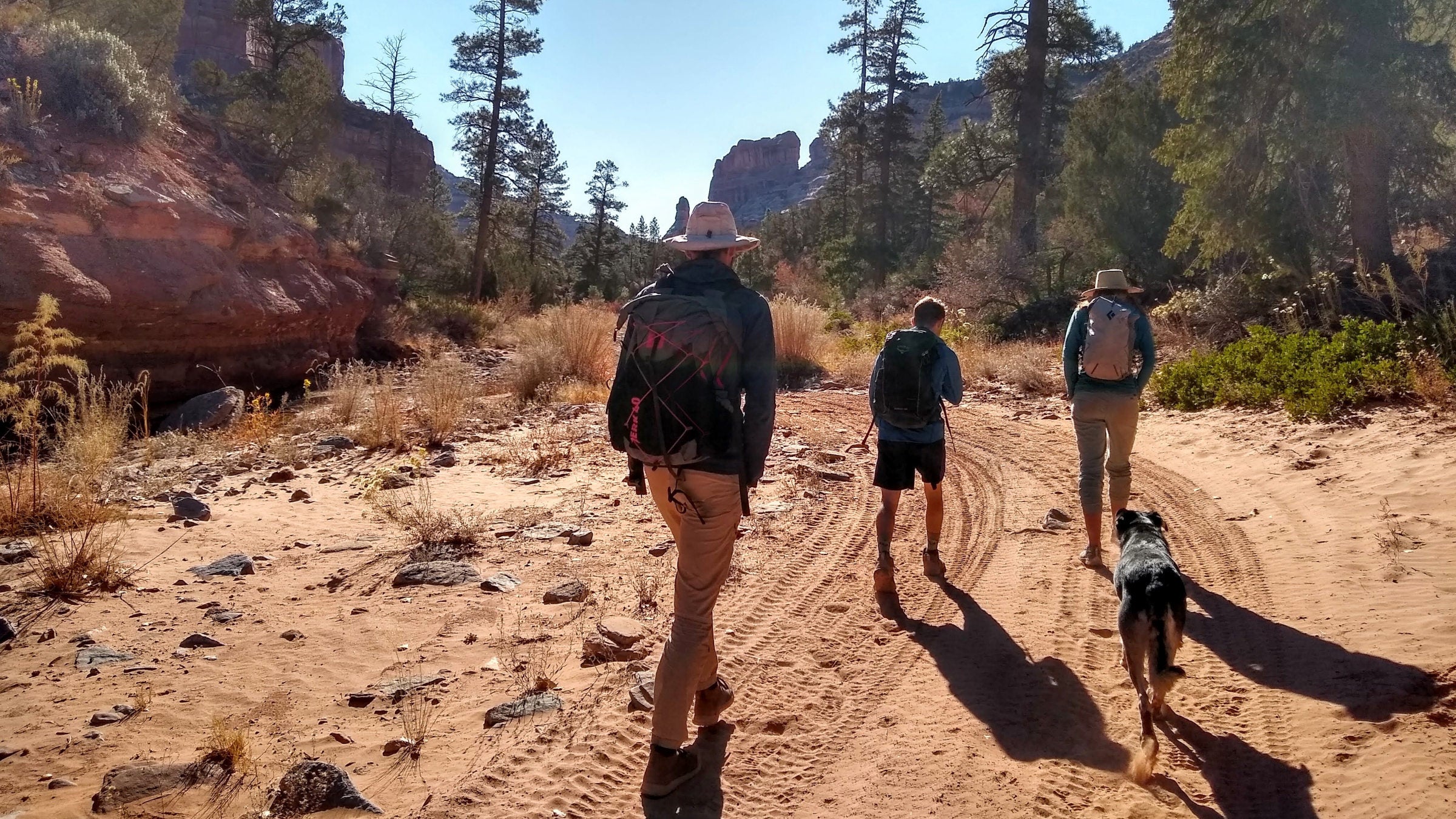
Hikers in Bears Ears National Monument (Photo: Adam Roy)
By car, 30 miles isn’t much—maybe half an hour at highway speeds. On foot, it’s a different story. Whether you’re pushing from one water source to the next or just want to test how far you can go, covering 30 miles on the trail in a single push is an intimidating feat if you’ve never tried it. But with some physical and mental preparation, you can crush those miles without feeling totally wrecked afterward. Below, two long-distance athletes offer their tips for covering more distance.
Add hours, not speed.
We wouldn’t recommend a 30-mile day off the couch. However, if you hike regularly, you’re probably more prepared to accomplish 30 miles in a day than you realize. Willie McBride, founder and coach at The Wellness Movement for All in Portland, Oregon, says that “most people already have all the tools to get the job done” whether it’s fitness, gear, or experience.
People often assume that they need more speed or strength to reach their goal. But really, it’s just a mindset shift. “Just think about going out for a little bit longer,” McBride says. No need to go faster or push harder—just tack on three extra hours to your day.
ADVERTISEMENT
Long-distance backpacker and runner Ally Watson, who’s based in Bishop, California, said her first 30-mile day was in Kennedy Meadows on the Pacific Crest Trail. “I never thought it was something I could do regularly until I did it,” she says. Earlier on the trail, she had been nervous about doing three 20-mile days in a row to beat a storm, but they went well and she felt really strong. Growing comfortable with being on her feet for more miles helped her body adapt to the stress of an even longer day.
“I truly think anyone can complete 30 miles in a day, and spending time on your feet is the best way to prepare,” she says.
Expect to hike in the dark.
When both Watson and McBride plan for a 30-mile day, they start before the sun rises to give themselves as much daylight as possible. (A bonus to the alpine start? Catching sunrise.)
At a pace of 3 miles per hour (or less), a 30-mile day can take McBride anywhere from ten to 12 hours—longer if something unexpected happens to slow him down. Depending on the time of year, that could also mean ending the day after the sun goes down.
ADVERTISEMENT
“I used to get super anxious when it started to get dark,” McBride says. It’s natural to feel more vulnerable when the sun goes down because temperatures drop and it’s harder to see. But he’s trained himself to stay calm and remember: “Getting dark doesn’t mean anything is wrong, just a little different.” Feeling anxiety as daylight wanes? Pull out your headlamp.
Before attempting a 30-mile day, McBride suggests running or hiking at night. Putting yourself in that situation will train you to push through the discomfort or uncertainty that triggers anxiety.
“The more times we’re out doing it, the more comfortable we get,” he says.
Pick an achievable route.
A 30-mile day with 10,000 feet of elevation gain is going to feel drastically different than a route that only climbs 1,000 feet. For your first time, take it easy, McBride says. Choose a trail with a gentle terrain profile and points where you can bail or stop early.
“Don’t go do some uber-commiting loop in the deep wilderness where if you get halfway out and decide you’re not ready for the distance and need to cut it short, you’re screwed out in the middle of nowhere and now it’s a safety situation,” McBride says. A good experience could give you the confidence to do a harder route the next time.
ADVERTISEMENT
Eat more efficiently.
When she’s pushing for more miles, Watson fuels differently. She starts the day with a hearty, easy-to-digest breakfast, then alternates between granola bars, candy, liquid calories, and other snacks every two hours. “Doing this allows me to take shorter breaks more often,” she says.
Shorter, more frequent breaks also take the pressure off moving fast. If normally you take a 30-minute lunch break on your hike, maybe take a 10-minute or 15-minute break instead. McBride suggests, “Finish the second half of your sandwich while walking.” Watson saves the big, whole meal for the finish line.