Published March 2, 2026 05:05AM
Do You Really Need Waterproof Hiking Boots?
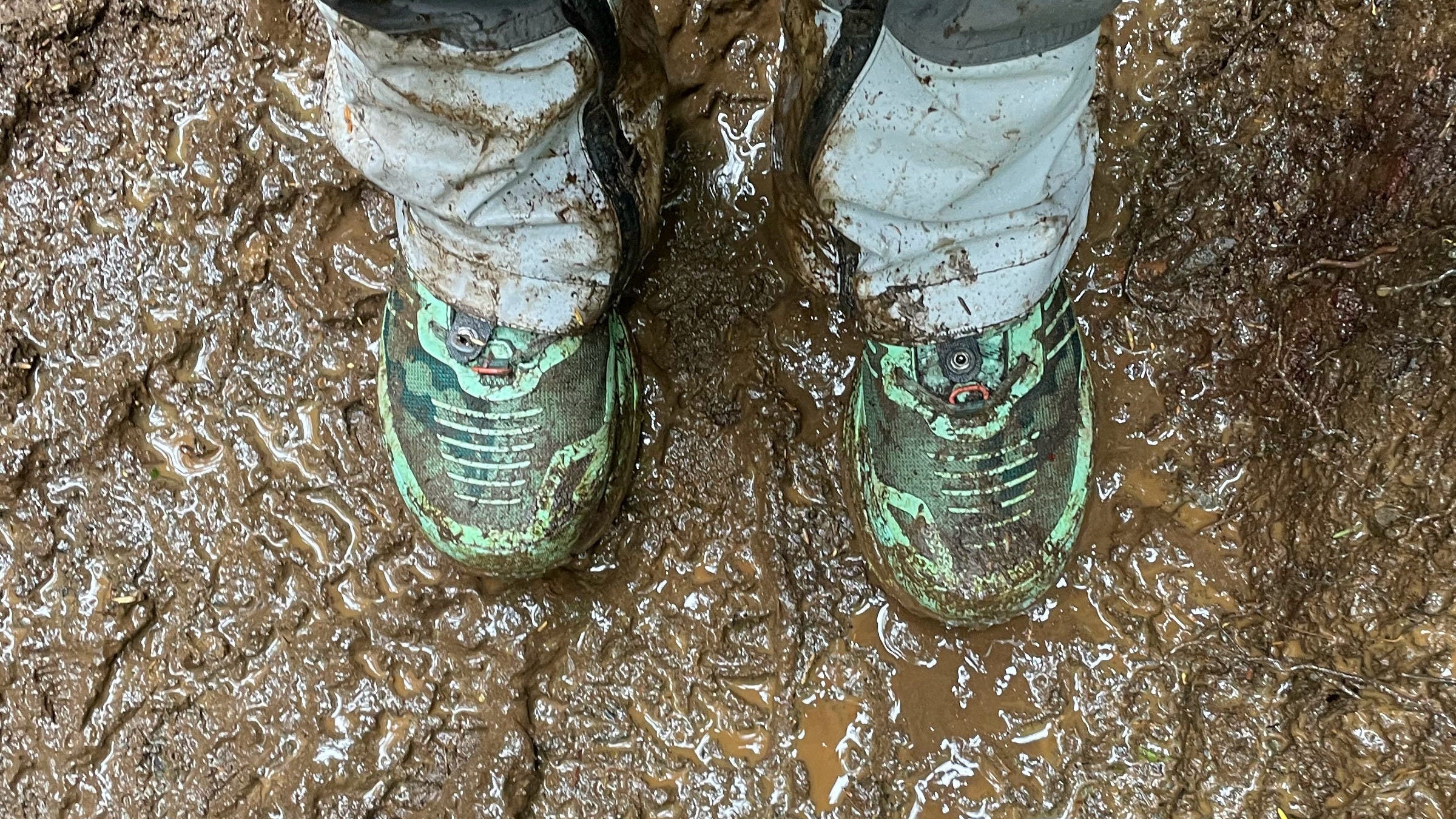
(Photo: Zoe Gates)
Every year at the start of hiking season, the age-old debate crops up on trails, in online forums, and yes, even here in the digital pages of Backpacker: Are waterproof or non-waterproof hiking boots superior? Both options have merit, but if you’re trying to decide if you should switch from one to the other, here’s what you need to know to keep your feet happy.
Waterproof or not?
The answer is often one nobody wants to hear: It depends on everything from ambient temperature to humidity and precipitation to personal preferences.
“We don’t see it as a binary debate. It’s about context and intention,” explains Asher Clark, co-Founder of Vivobarefoot, a minimalist footwear brand that manufactures both waterproof and non-waterproof hiking shoes.
Choosing between one or the other for any given trip—or if you only have storage space or the budget for one pair of boots—is nuanced. So before you decide which is right for you, consider the facts.
ADVERTISEMENT
How waterproof shoes work
Waterproof shoes typically work via two components: a waterproof-breathable membrane and a durable water repellent (DWR) coating. The membrane, a layer of material sandwiched between the exterior of the boot and the lining, is the workhorse. It might be Gore-Tex, eVent, or any number of proprietary branded materials.
These membranes contain microscopic pores designed to block liquid water from entering from the outside of the boot while allowing water vapor to escape from the inside. DWR treatments are often also applied to the exterior of the footwear (and need re-applied occasionally as they wear off) to serve as the first line of defense against light moisture and prevent the exterior from becoming saturated.
But there’s a catch
Waterproof shoes come with drawbacks. While sweat may start as steamy vapor, it quickly condenses in an enclosed space and turns to liquid, which membranes can’t transport from the inside out. “Technically, [a membrane] works, but only in one direction. It blocks external water well. What it struggles with is internal moisture management. Once water gets in (through sweat, immersion, or over the collar), it dries slowly because the same barrier that keeps water out also limits airflow. Waterproof membranes claim to be breathable but the reality is questionable,” says Clark.
ADVERTISEMENT
That means it doesn’t take much for waterproof boots to cause dreaded swamp foot (a non-medical condition that results in an uncomfortably sweaty hot box in your shoe), or worse, trench foot, an actual medical condition causing numbness, pain, and sores that occurs when feet are trapped in a damp space for too long.
What’s more, if it’s warm out, waterproof shoes often feel stuffy and hot while non-waterproof options made of mesh or fabric are often lighter, cooler, and dry much faster. Letting shoes drain and dry is often a better choice for long-term foot health.
So which should you choose?
With that in mind, it’s best to reserve waterproof boots and shoes for conditions that are both cold and wet, like chilly and damp fall hikes, mud season, or snowy winter conditions. Waterproof footwear will help keep your feet not only dry, but warm. Focus on keeping water out of your boots or you’re practically guaranteed to have wet shoes for the duration of your trip.
ADVERTISEMENT
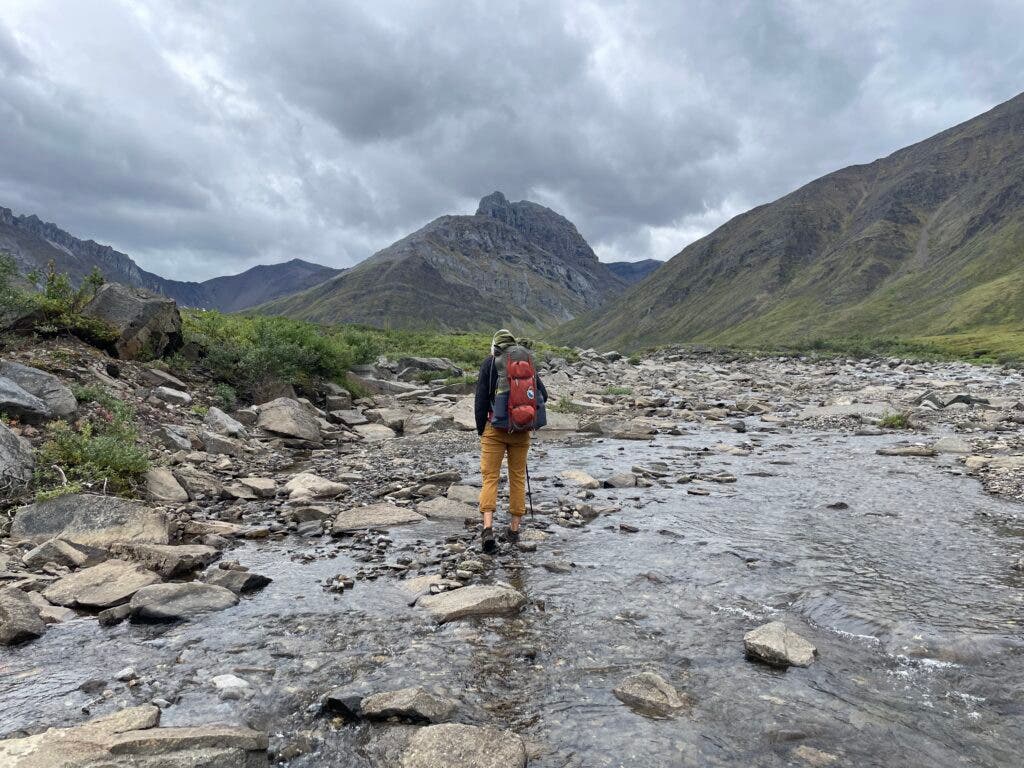
Opt for non-waterproof footwear for just about everything else, especially in warmer climates with less humidity—even if you expect water crossings. In those conditions, even if shoes do get wet, they’ll dry quickly, especially if you’re moving fast and generating heat. Likewise, if you tend to have excessively sweaty feet, breathable footwear will be more comfortable in the long-term.
Bottom line
Clark says it best: “The real question is bag vs no bag. Would you walk around with a plastic bag on your foot all day? Probably not. For a short period of time to solve a specific problem, but hiking all day in it wouldn’t be fun.” No matter what shoes you choose, don’t forget to pack an extra pair of socks, just in case.
