Published November 2, 2026 05:05AM
Does Anti-Stink Clothing Actually Work? We (Really) Wanted to Find Out
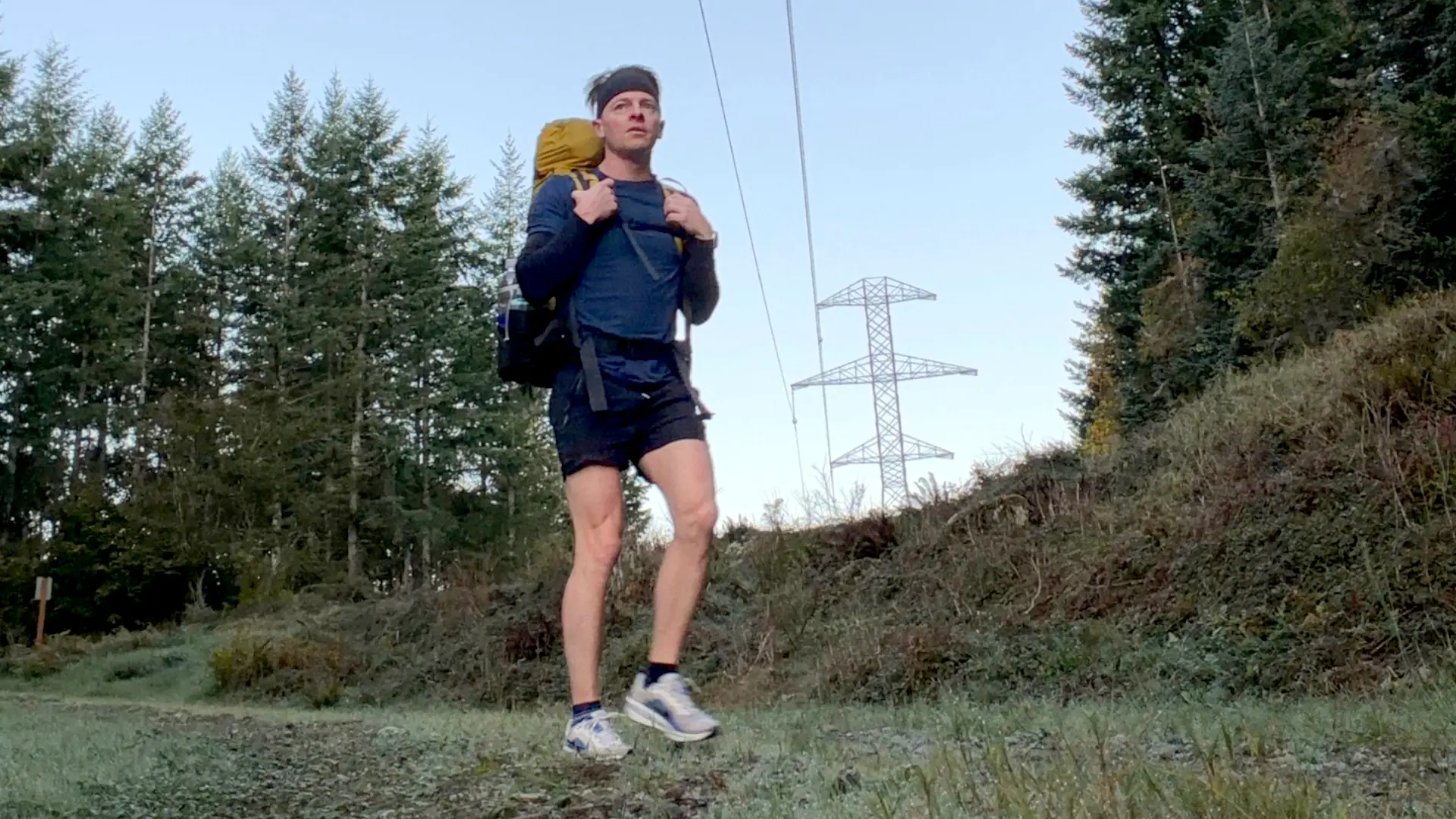
I dirtbagged it for 25 days with only one set of clothes and two rules: 1. No laundry. 2. Desperation showers only.

It wasn't easy, and didn't go as expected, but the no stink clothes seemed to work as advertised. (Photo: Sam Anderson)
I boarded a 3-hour flight wearing a T-shirt I’d worn for over three weeks straight.
By this point I only had a vague sense of what I smelled like. Sleeping bag sweat? Iso gas? Hot dog water? I listened to the crew make the “very full flight” announcement again and shifted in my middle seat. It wasn’t just that I had a dirty shirt on—I’d barely showered for the entire trip, and apart from a few bracing dips in rivers and ocean water, I had made little effort to clean myself at all.
Instead, techy fabrics from Patagonia and an innovative startup called HercLéon battled my oils and odors at point-blank.
Except for deodorant, all that guarded the packed flight from trail stank were various items of “laundry-free” or “anti-odor” clothing. My Patagonia pants and sun hoodie were treated with steam-extracted, food-grade mint oil. The HercLéon T-shirt and my boxer briefs were infused with charcoal and woven with copper fibers. I had used exfoliating nylon washcloths from Lunatec that “never need washing.”
ADVERTISEMENT
Had it worked?
The Malodorous Mission
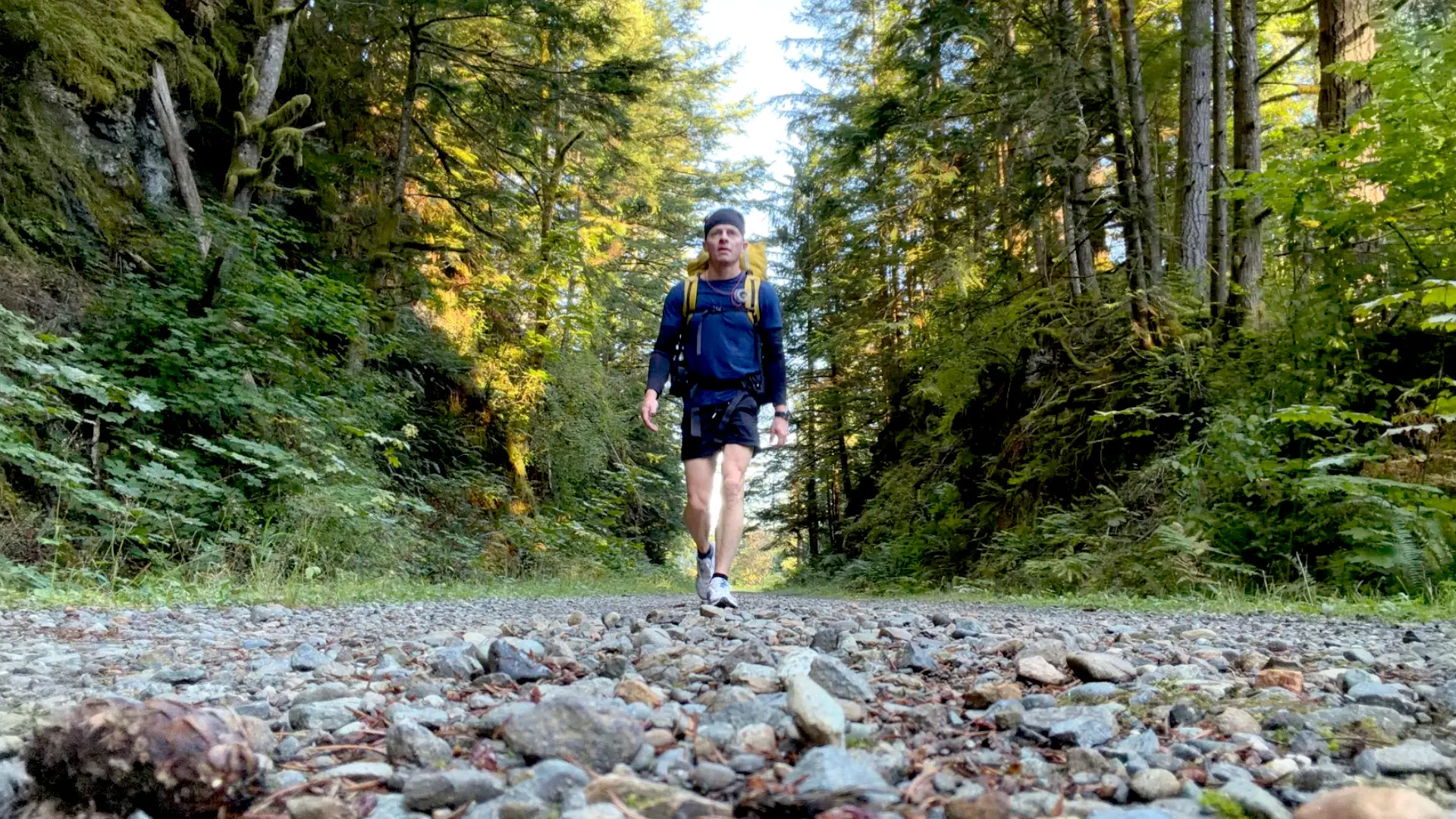
When I planned to hike through the majority of Washington state on a former rail grade, I immediately thought it would be helpful to bring only one set of clothes. But if I tried it and anything went wrong, I could be exposed. As is the case on many long-distance hikes, I knew clothes shopping could be a tough ask depending on where I was.
Still, wardrobe weight is real, and weight quickly becomes the enemy of comfort. So could materials like Patagonia’s HeiQ and HercLeon’s HercCopper limit foul smells after days on trail? Could that improve my overall mood, along with the weight savings, and could it all help me with social graces along the way?
ADVERTISEMENT
My target was a 330-mile segment of the Great American Rail Trail. It links old railroad corridors from the western Cascades to the Idaho border, dividing roughly into two halves that mirror Washington’s geography: rugged mountains west of the Columbia River and sparse deserts to the east.
I quickly realized small-town hospitality would be my only ticket through the eastern deserts. With no infrastructure or known water on the trail for 40 miles in some areas, networking with anyone willing to provide would be key. I knew I’d be more likely to score overnight stays or solid hookups if I didn’t roll into town smelling like Sasquatch.
Early on, though, the hike took a hard turn: I limped off the trail after 60 miles with a foot injury, but decided to stay in Washington anyway. Some supportive offers from friends could give me a runway to rest up until my original bail date, and maybe hit some rock climbing if I could recover in time.
Because that plan would still require a pretty deep level of dirtbagging, I knew I could keep stink-testing my clothes—which had amazed me to this point.
ADVERTISEMENT
The accident led to a variety of activities I wasn’t planning on.
25-day totals:
- Two showers
- No laundry
- ~90 total miles hiking
- 1,200 feet of alpine rock climbing over three days
- 6 nights tent camping, 16 nights van camping
- Van suspension maintenance in a parking lot
- Birthday bar crawl for a friend
- Two Major League Baseball games
- Birthday dinner for another friend
This demanded resilience and adaptation from me and everything in my kit, including my clothes.
Apart from activities, my clothing was also subjected to heavy chemical factors, including sleeping bag sweat, dehydrated meal sweat, fried food sweat, and beer sweat. Smoky campsites, rampant use of catholes and wag bags, many cups of coffee, and trash bags packed in vans directly alongside gear during rainy spells also played a role.
In short, I believe the textile engineering of several items made it possible to keep the same clothes on my back for the duration—without disgusting myself, visibly offending service workers, or prompting any business owners to kick me out.
ADVERTISEMENT
Why do clothes stink?
To understand this question is to understand why a tiny startup like HercLéon would market a copper-infused T-shirt for $130.
TL;DR: Body odor happens because our skin is a Golden Corral for bacteria. And it’s open 24 hours.
No matter what we’re doing, our skin is always generating natural oils and shedding dead cells. Glands in areas like the armpits and groin constantly leech thicker protein- and lipid-composed fluids onto the skin. The resulting buildup becomes a body-sized feeding trough for potentially trillions of bacteria.
When those bacteria expel waste, that’s where stink comes from. That and the layers of old oil, decaying cells, etc. that accumulate until you wash them off with soap and water.
ADVERTISEMENT
Imagine flooding this system with sweat, then draping a layer of clothing on top. Sweat itself is generally odorless, but it does help bacteria multiply. And when it touches the clothing, it allows them to swim, slosh, or spill over. If your skin is a microbial Golden Corral, your sweaty clothes are like a swim-up bar attached to the dining room. But not all textiles are equally hospitable.
Polyester repels water but attracts oil. Skin oils can bond tightly to its synthetic fibers, but the fibers naturally reject water, even in the washing machine. The oil, and anything else gummed up in it, gets welded to the fabric. (This is why some of your cheapest workout shirts get “permastink.”)
Merino wool is the opposite: It repels oil and attracts water. The thirsty fibers soak up sweat from the skin, but leave most bacteria behind, stuck in the oil. And because the merino is removing their water source, the bacteria have a harder time multiplying and farting out more odor.
Techy fabrics like those from Patagonia and HercLéon take this equation of moisture and bacterial transfer to the nth degree—they seek to wall off the swim-up bar.
ADVERTISEMENT
HercLéon HercShirt
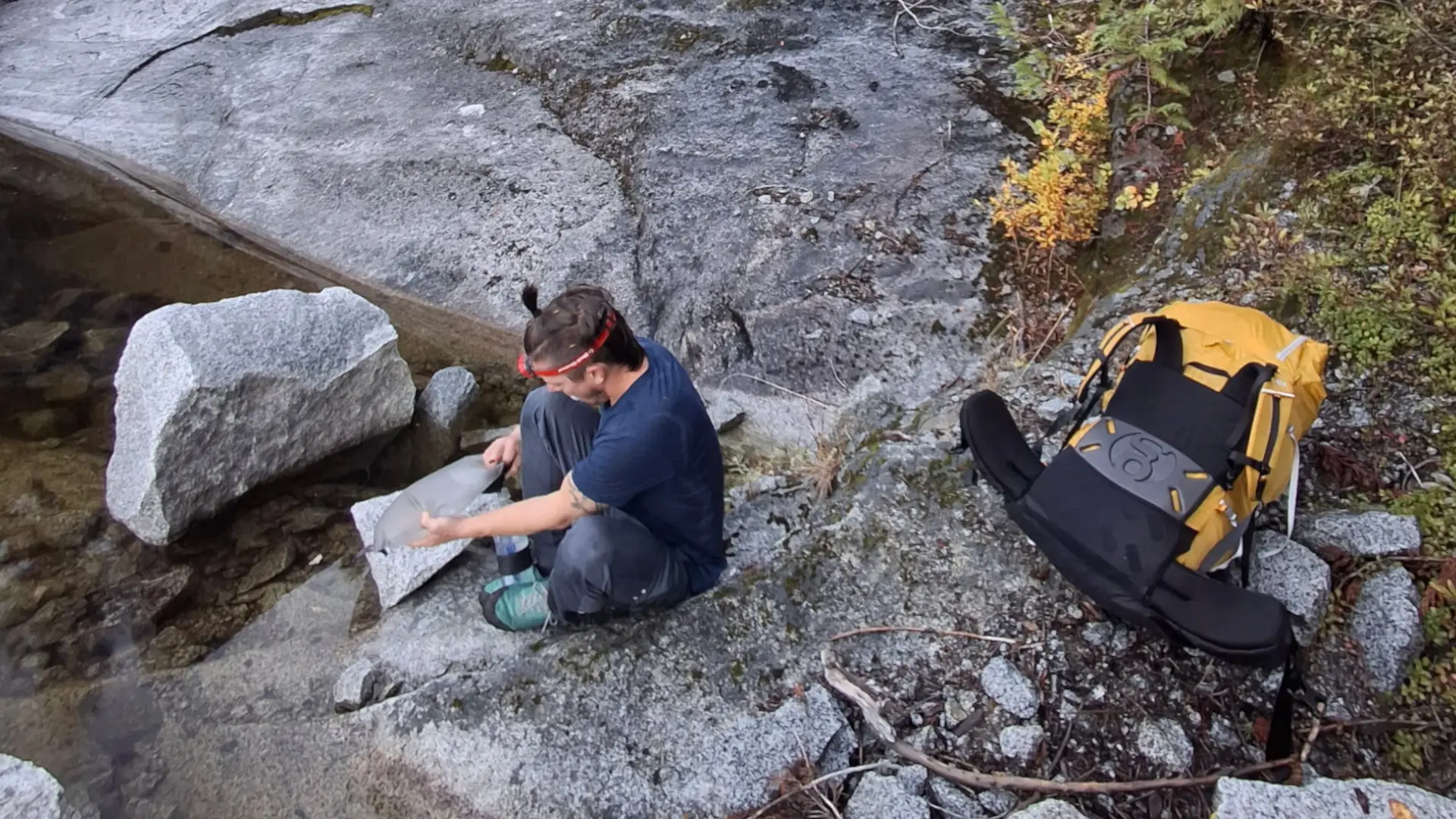
The HercShirt felt great right out of the bag in a size small, and matched my sizing expectations. Field performance proved to be incredible.
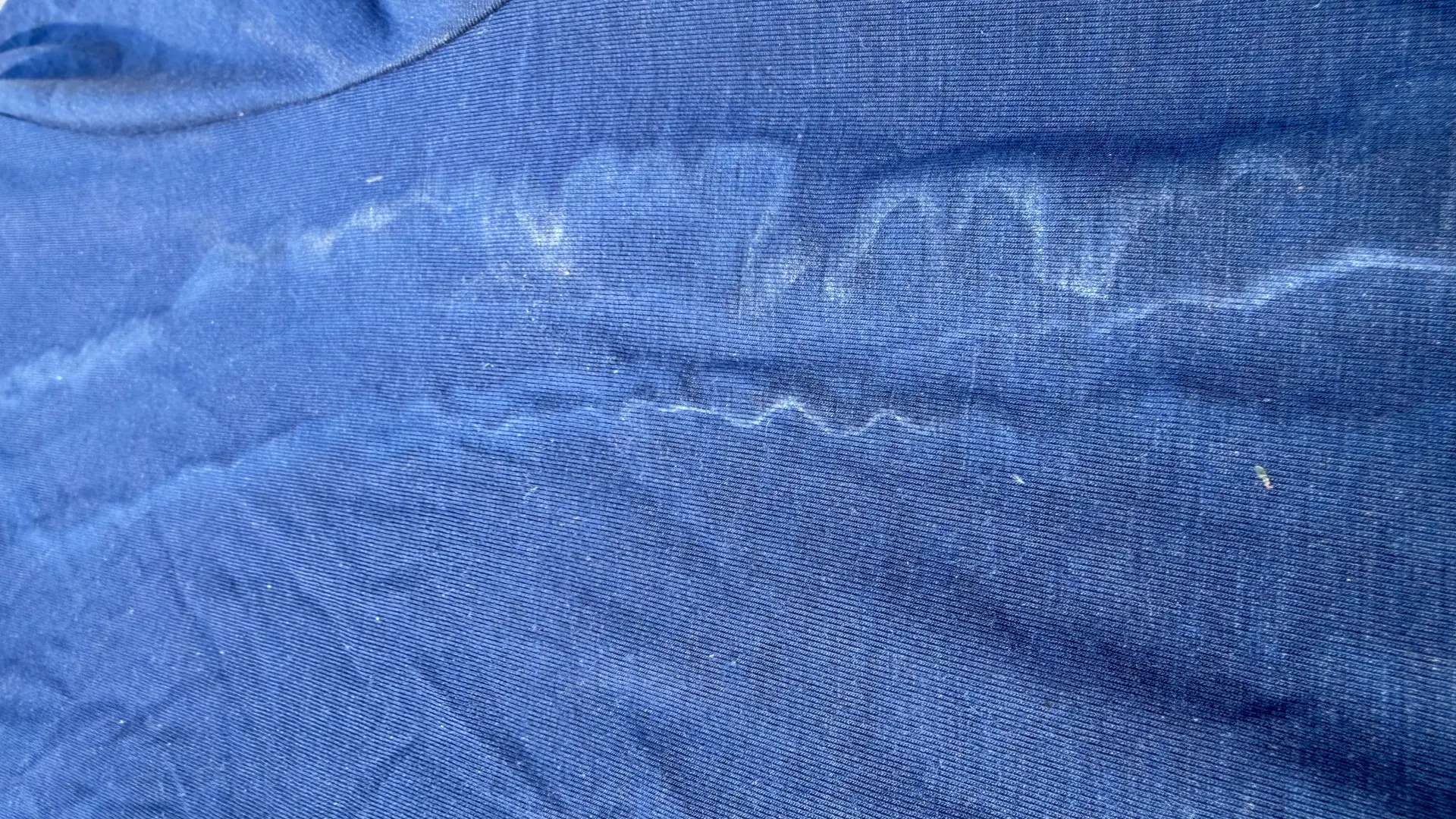
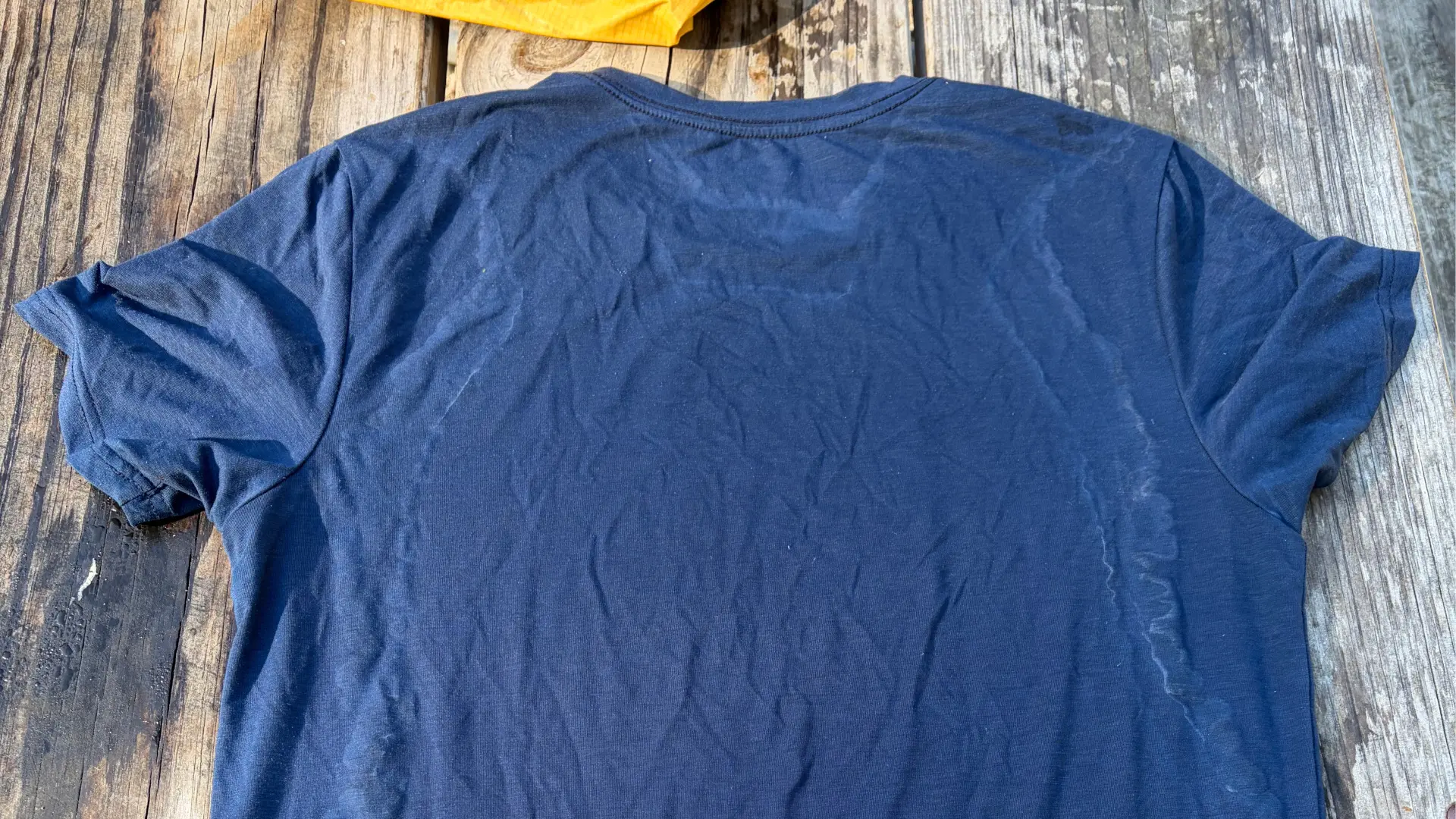
The fabric felt slightly heavy, sliding across my skin with a gentle pressure that felt cooling and was never scratchy. I found it fit closely enough to help me look sharp in town, but never lost its shape. After three weeks, the material still felt stretchy everywhere. The collar hadn’t bagged out and even the shirt’s hem under my hip belt wasn’t sagging or creased. By the end of the journey, it was tie-dyed with sweat stains from pack straps, but still passed as a deep navy blue. It never developed pit stains.
ADVERTISEMENT
Of course, odor did become noticeable. It’s hard to say whether it was on day 12 or 20, but I also made no effort to clean the shirt. So based on my testing, HercLeon’s stated 10-day freshness target is fair—especially if you take the punishing factors of my testing field into account. My shirt endured days of sweaty hiking, exposure to muggy northwestern rainforests, late nights out on the town, cold snaps, and rainstorms that kept me layered up for days on end. It survived nights wadded up at the bottom of a sleeping bag around my heinous feet. I have almost no doubt that 10 days of normal wear with regular showers would be feasible.
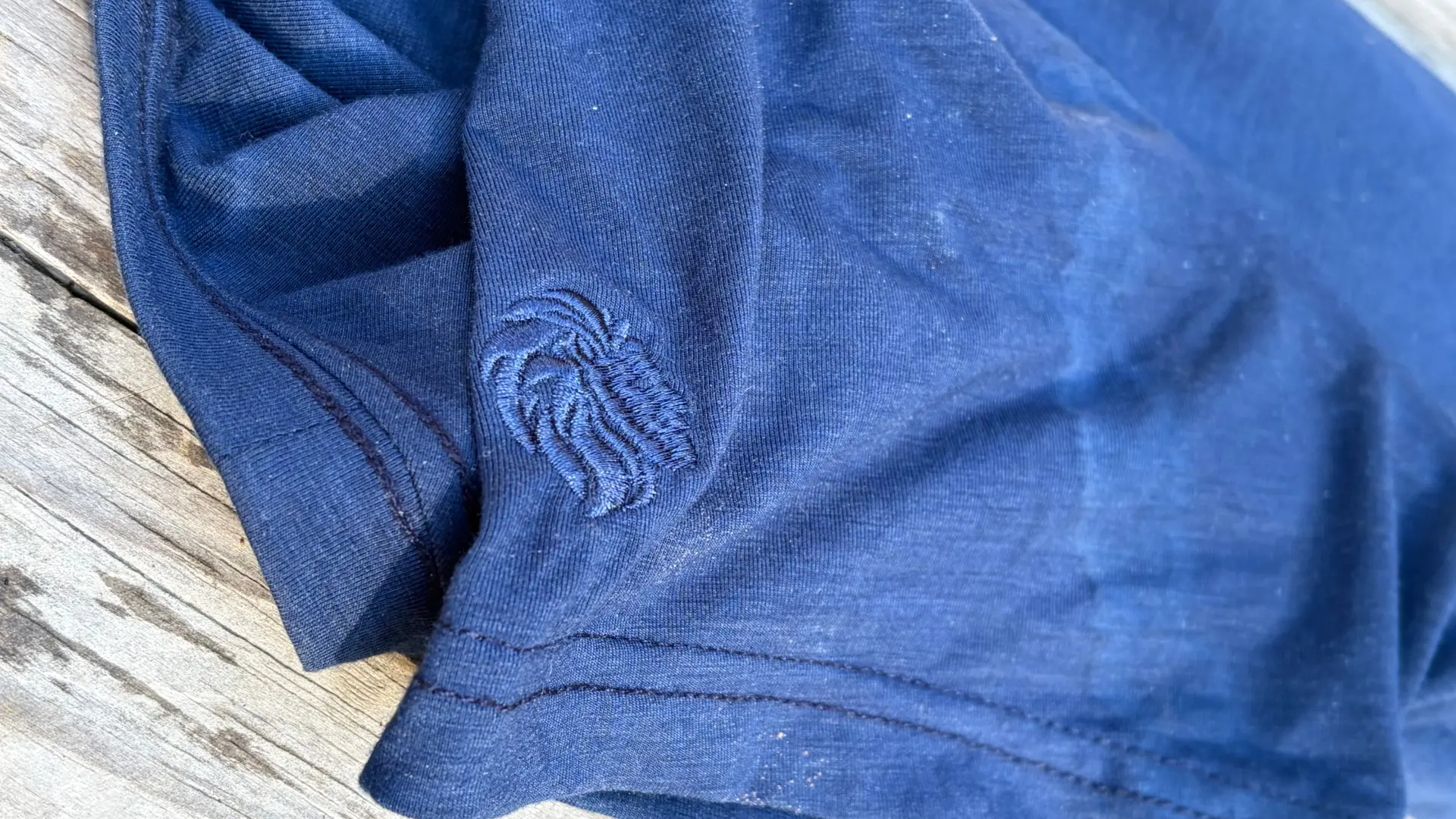
HercUnderwear 2.0 Boxer Briefs
My HercUnderwear 2.0 Boxer Briefs were equally impressive. With the caveat that there is a wide spectrum of underwear hygiene tolerance in the population, my findings are below.
First, did I wear the same pair of underwear every day for over three weeks without washing them? No, because there are bacterial realities that command respect. I did take a backup pair of boxer briefs, and I wrung out the HercUnderwear once in a sink with hand soap and once in the ocean. With only this spartan care, the single pair of shorts served for up to nine days at a time. (I used wet wipes consistently.)
ADVERTISEMENT
For comparison, I did test how long I could make my spare Hanes 92/8 poly/spandex units last. I found four days was my threshold, and wanted to incinerate them after that for the benefit of the trash workers. Meanwhile, crude handwashing rejuvenated the HercUnderwear to a satisfactory extent for the field.
I found fit and roominess to be on the small side. I opted for mediums with my 29-30” waist.
Ultimately, I’ll keep the underwear in my kit for activities except hot-weather hiking. The fabric is a bit heavier than many boxer briefs’, and can feel slightly warming depending on pants choice.
What is this sorcery?
HercLéon’s engineering exists at every level of manufacturing. Instead of using a spray-on coating, the brand mixes tiny particles of copper and charcoal into its raw textile material before spinning that into fibers. It is called a “masterbatch.” Materials are chosen to control odor at three different points: bacterial growth, odor absorption, and moisture management.
The shirt starts with lyocell, a soft, moisture-absorbing textile fiber made from processed wood pulp.
ADVERTISEMENT
Copper particles embedded in the fibers release antimicrobial ions when damp. This damages bacterial cell walls, limiting their ability to multiply and convert sweat and other food sources into foul-smelling compounds.
The next contingency is charcoal. Their highly porous carbon structure can trap odor molecules that do develop, HercLéon says, preventing them from escaping into the air.
Finally, “plasma modification”—altering the surface properties of the fibers with ionically-charged gases during manufacturing—causes sweat to spread out and evaporate across the garment, rather than accumulate. Less lingering moisture means fewer opportunities for bacteria to multiply.
Stumbling into Cle Elum, Washington, with wobbly legs, an injured foot, and a calorie deficit, I lurched toward the nearest bar (a long, long mile away). It had been a 30-mile day, and I’d been walking since it was too cold to feel my fingers in the morning. The afternoon in the sparse Yakima River valley had reached 93 degrees. I hadn’t stopped to change clothes—I knew I was hurt and no comfort would amount to real relief.
ADVERTISEMENT
Night fell, and I sat down at a park bench in a fugue state to put on layers. I reached for my shirt collar to pull it off, expecting to wrestle with a sweat-soaked sheet. Instead, it was bone dry.
Patagonia Capilene Cool Ultra Hoody
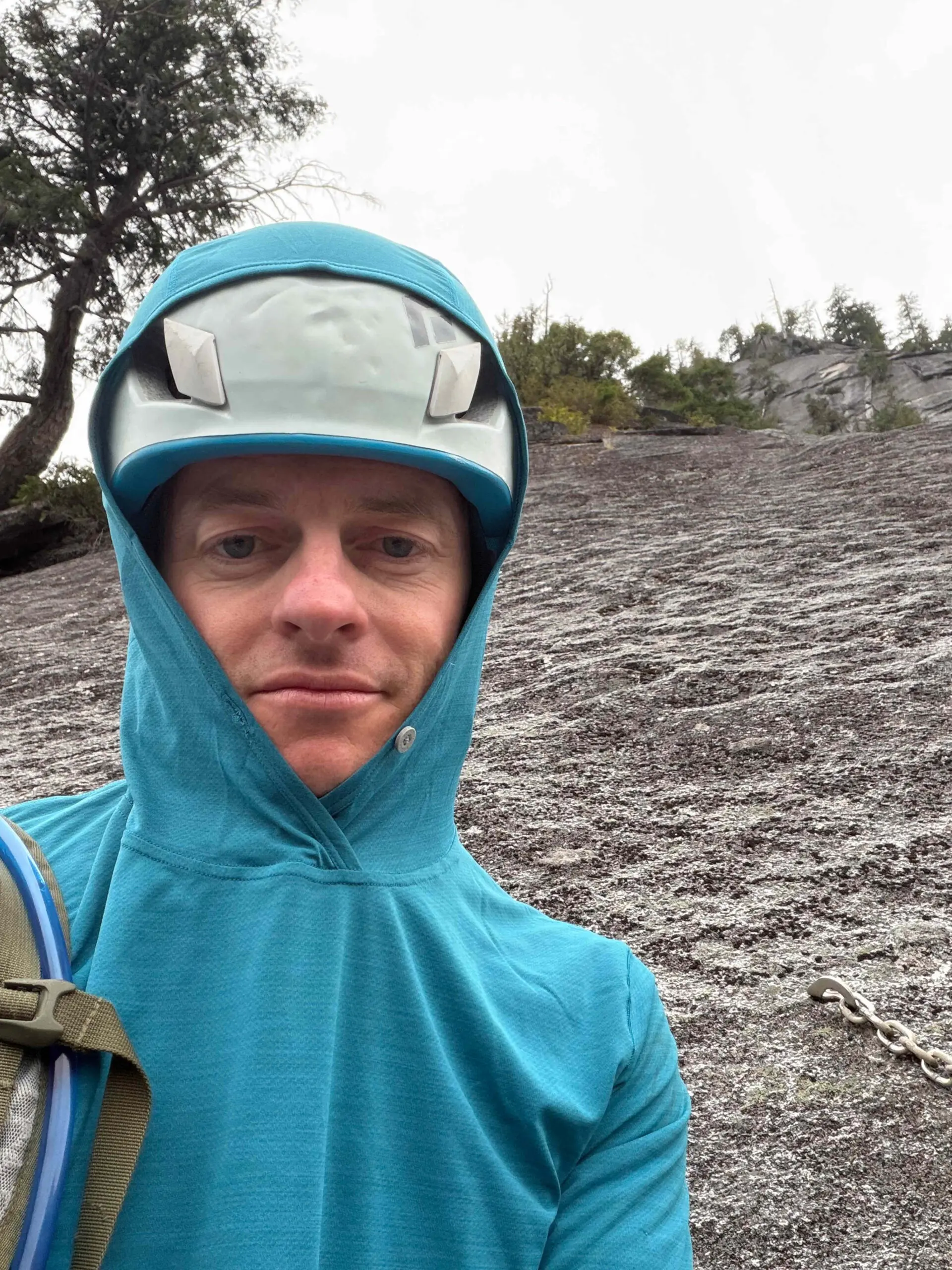
My Patagonia Capilene Cool Ultra hoody slotted into the “go-to” position on the trip. The lightest of four entries in the Capilene line, Patagonia builds it specifically for summer temperatures. I confirmed this use case in an unseasonably hot, exposed ascent of the west face of Exfoliation Dome. But I also discovered the hoody had just enough weight to take the shiver factor out of a damp Pacific morning.
Features are limited but functional. I found that using the thumb loops didn’t stretch the sleeves beyond recognition, and I liked the single button to tighten the hood. There are no pockets. Wearing the hoody roughly as much as my HercShirt, often layered with it, I got the sense that odor control wasn’t quite as strong. But it did still generally meet the limits of social acceptability by the end of the trip. And since it was easy to rinse and dried fast, I had no problem dunking it and wringing it occasionally.
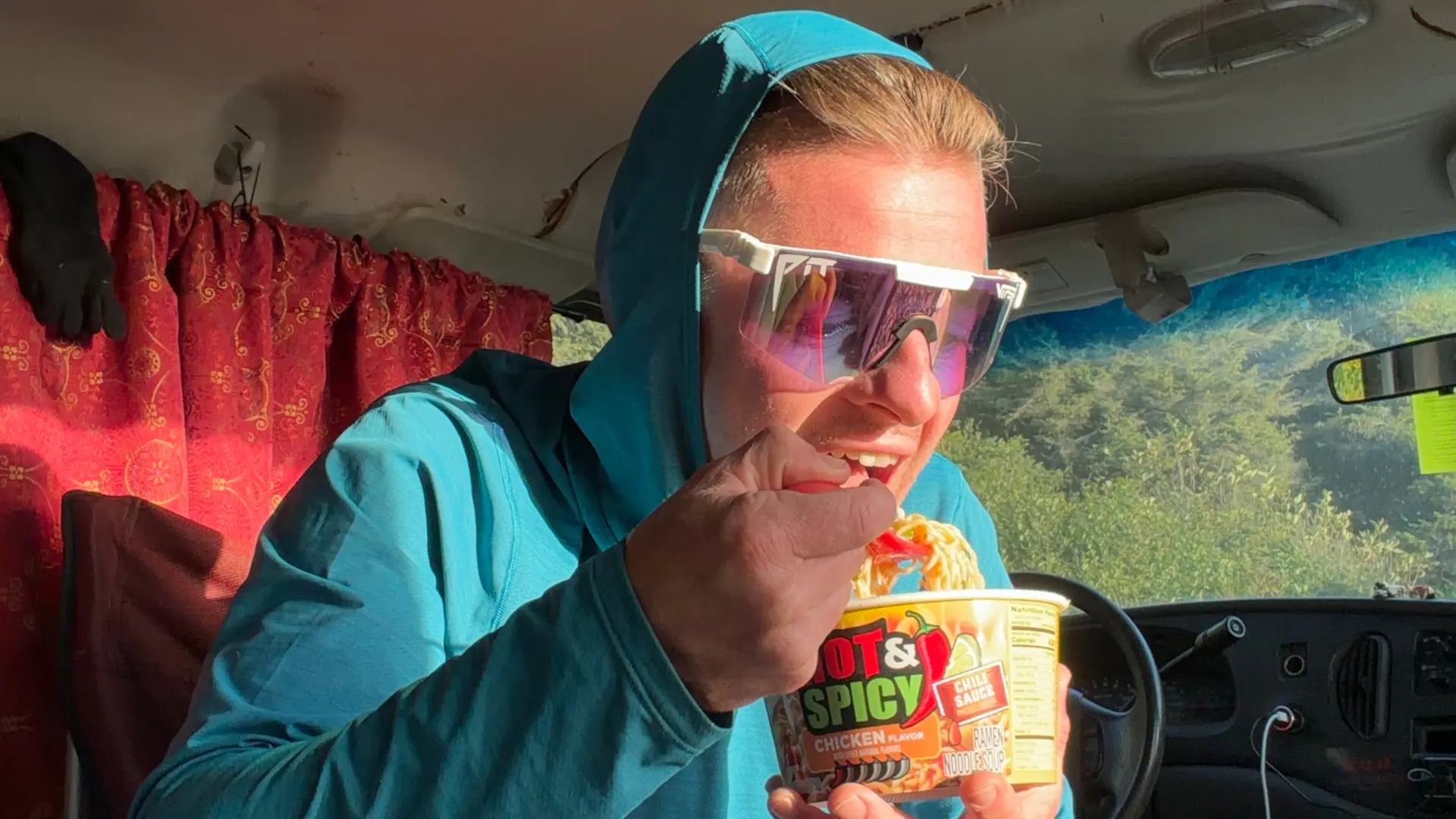
According to Patagonia’s anti-stink coating provider, this shouldn’t have worked to refresh odor-fighting capabilities. The coating is a handful of botanicals arranged in a bioengineered structure. HeiQ Mint contains essential mint oils and other “naturally derived deodorizing ingredients”—inside capsules the manufacturer claims are capable of trapping the oils and acids that cause odor. This proprietary “encapsulation technology” snatches odor-causing particles and encloses them during wear. Then it releases them during washing thanks to the alkalinity of soapy water. Thus, laundering duds like the Capilene Cool hoody restores them for their next use, according to HeiQ.
ADVERTISEMENT
On the last day of the trip, we walked down from the base of Blueberry Buttress (5.8+, 1,000 feet). In just a half mile from the foot of the climb to the car, we lost 1,300 feet of elevation. Quads screaming, we reached my borrowed van and flopped. My climbing partner wrestled himself out of his soaking wet T-shirt, now two or three sizes too big, and hung it on a tree branch.
My Capilene hoody wasn’t stinking up the campsite, and it still fit around my shoulders. Plus, it was dry enough to continue wearing comfortably.
Lunatec Washcloths and Dishcloths
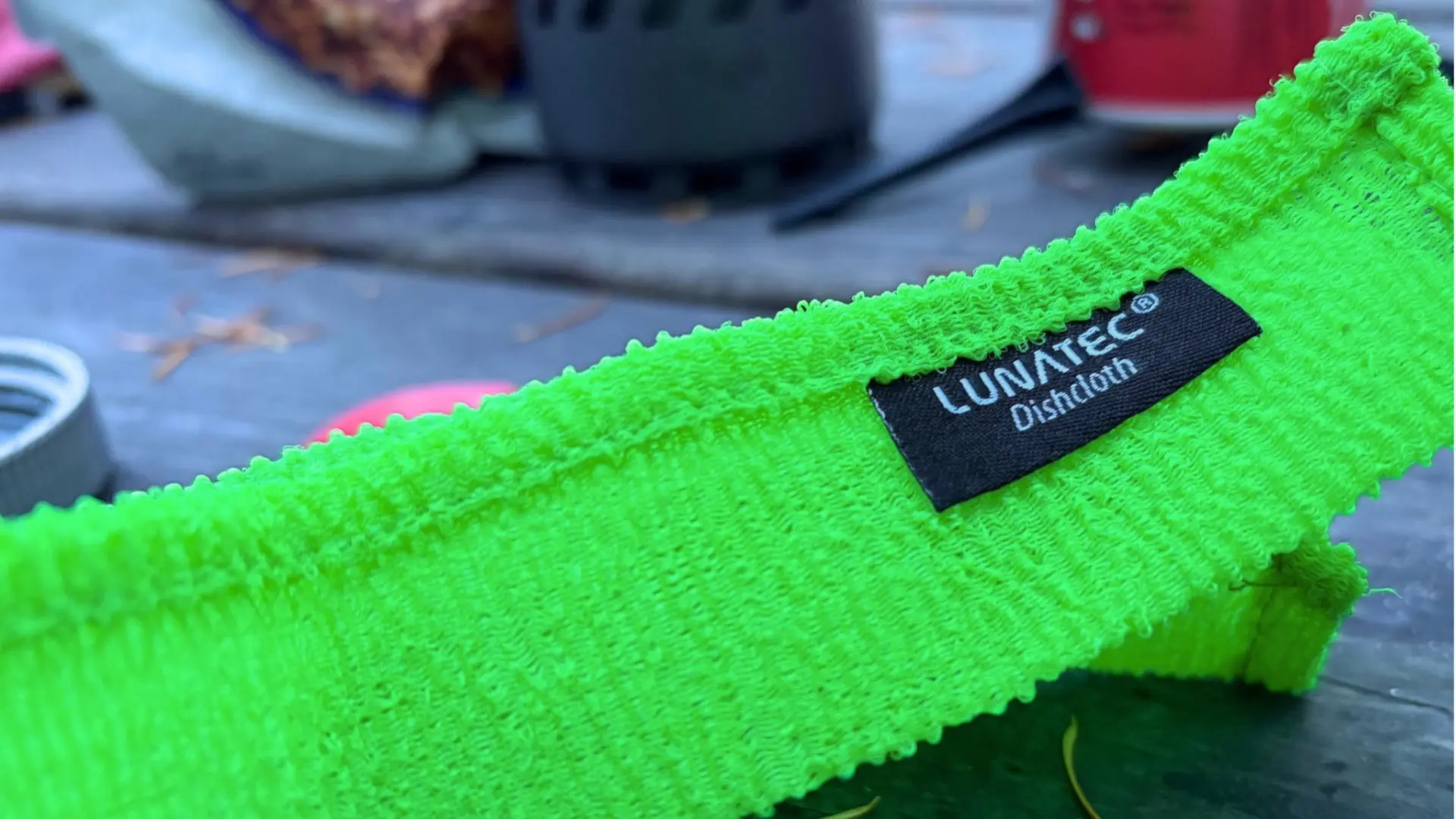
Lunatec’s “never needs washing” camp cloths were absolutely clutch in my kit. With no technology on board except a loose weave for fast drying, the two units thoroughly supplemented wiping and cleanup needs without creating their own.
The green “odor-free” dishcloth was abrasive enough to lift stuck-on burnt bits, and highly durable. Its diffuse weave made it economical to rinse after scouring cookware with sand.
ADVERTISEMENT
The “self-cleaning” washcloth, slightly larger and stretchier, played well for more detailed work. It was minimally absorbent (I didn’t reach for it when I spilled an entire beer into my friend’s van carpet). But viscous bits like snot or soup remnants clung to it well, then vanished when rinsed. The elastic hang tabs doubled as gathering straps, making each cloth easy to pack up.
What is Lunatec’s secret to self-cleaning? According to the brand, nothing. Their washcloths are 100% nylon, and nothing else.
So, did it work?
A backpacker’s world is a stinky one no matter what. So if you’re on an anti-gross-out program, how can you tell if your efforts have meant anything? How can you tell if you’ve kept the Golden Corral in the corral?
ADVERTISEMENT
There is a device used to measure odors in clinical settings called an olfactometer. It works by, basically, establishing a control smell and then upping the ante in increments—approaching the threshold where the subject can’t handle it anymore. In everyday practice, though, you experience moments when you become suddenly aware of an odor. You lift a shoulder to reach an awkward zipper or squat fast to pick up something you dropped—and the wave breaks. A solid mass of stink floods your face, and you wonder how long everyone else has been able to tell.
For many of us, that’s the trigger. “I need to wash, somehow, now.”
Over 25 days living in a pretty dirty corner of the dirtbag life, I never had that moment. River plunges sufficed for bathing. Sink water rinses refreshed the hardest workhorses in my wardrobe. I didn’t take a microscope, but I think the makers of my clothing delivered on their broad promise: Science can help you not stink (or at least, stink less).
The maintenance burden of living outside full-time had been meaningfully decreased. I thrived in my unexpected program of outdoor and social events for over three weeks with a wardrobe that would fit in a McDonald’s bag, and I’d spent zero time doomscrolling at the laundromat.
ADVERTISEMENT
Boarding my flight, I looked down at my disheveled rags and scratched at an itch in my neck—I also hadn’t shaved for the whole trip. Then, both of my neighbors arrived and settled in, smiled warmly, and relaxed.
Keep Exploring